You don’t have to rely on harsh, toxic chemicals to achieve a deep clean at home. White vinegar is a phenomenal, all-natural alternative. Because it contains 5% to 18% acetic acid, it easily cuts through grease, dissolves hard water stains, and deodorizes your kitchen.
However, vinegar is not a miracle cure for everything. In fact, that same acetic acid that makes it a great cleaner can permanently destroy some of the most expensive materials in your home.
Before you start spraying vinegar on every surface, here is the expert guide from Antz Cleaning Services on what you should absolutely never clean with vinegar—and what you should use instead.
Quick Reference: Vinegar Warning Guide
| Surface / Material | The Chemical Reaction | The Safe Alternative |
| Natural Stone (Marble, Granite) | Etches and dulls the stone. | pH-neutral stone cleaner. |
| Hardwood Floors | Strips the polyurethane finish. | Specialized wood floor cleaner. |
| Rubber Seals | Dries out and cracks the rubber. | 3% Hydrogen peroxide or dish soap. |
| Electronic Screens | Strips anti-glare coatings. | Distilled water and a microfiber cloth. |
| Cast Iron & Knives | Causes immediate oxidation (rust). | Coarse salt and cooking oil. |
| Waxed Furniture | Dissolves the protective wax. | Standard furniture polish. |
1. Natural Stone Countertops and Floors
Natural stones like marble, granite, limestone, and travertine are highly sensitive to acids.
- The Danger: The acetic acid in vinegar reacts with the calcium in the stone, causing a chemical burn known as “etching.” This strips away the shiny finish, leaving dull, permanent white marks across your expensive countertops or floors.
- The Pro Fix: Always use a pH-neutral cleaner specifically formulated for natural stone.
2. Hardwood Floors
Many online blogs recommend using a mix of vinegar and liquid soap to mop hardwood floors.
Expert Warning: Mixing liquid soap (especially castile soap) with vinegar is a massive internet myth. The acid breaks the soap down into its base oils, leaving a curdled, greasy residue on your floors.
- The Danger: Even diluted pure vinegar will slowly eat away at the glossy polyurethane sealant protecting your wood, leaving the boards looking cloudy and dull over time.
- The Pro Fix: Use a lightly damp microfiber mop and a specialized commercial wood cleaner.
3. Rubber Seals (Washing Machines & Fridges)
Vinegar is frequently recommended for cleaning washing machines and dishwashers, but you must be careful where it sits.
- The Danger: Prolonged exposure to acetic acid will dry out, weaken, and crack the rubber gaskets and hoses inside your appliances, leading to massive water leaks.
- The Pro Fix: Use standard baking soda or diluted hydrogen peroxide to wipe down the rubber seals safely.
4. Cast Iron, Copper, and Kitchen Knives
Metals and acids do not mix well.
- The Danger: Spraying vinegar on exposed cast iron pans, expensive high-carbon steel chef’s knives, or copper pots will strip away their seasoning and cause rapid oxidation. If left on too long, your kitchenware will begin to rust almost immediately.
- The Pro Fix: Clean cast iron with hot water, a stiff brush, and coarse salt, then re-season with cooking oil.
5. Electronic Screens
Do not use your DIY glass cleaner on your modern electronics.
- The Danger: TVs, smartphones, and computer monitors are coated in delicate oleophobic (anti-fingerprint) and anti-glare layers. Vinegar will permanently strip these coatings off, leaving your screens permanently cloudy or unresponsive to touch.
- The Pro Fix: Slightly dampen a clean microfiber cloth with plain distilled water and wipe gently.
6. Elastic Clothing and Swimwear
Vinegar is great for softening standard cotton laundry, but it ruins athletic wear.
- The Danger: The acid breaks down synthetic elastic fibers (like spandex and elastane). Using vinegar on your gym clothes, swimwear, or undergarments will cause them to lose their stretch and sag prematurely.
Trust the Cleaning Science to the Professionals
Cleaning your home safely is complicated. It requires an understanding of basic chemistry to ensure you are actually sanitizing surfaces rather than causing thousands of ringgit in permanent damage.
If you want a spotless home without the risk of ruining your precious hardwood floors or natural stone countertops, leave it to the experts at Antz Cleaning Services.
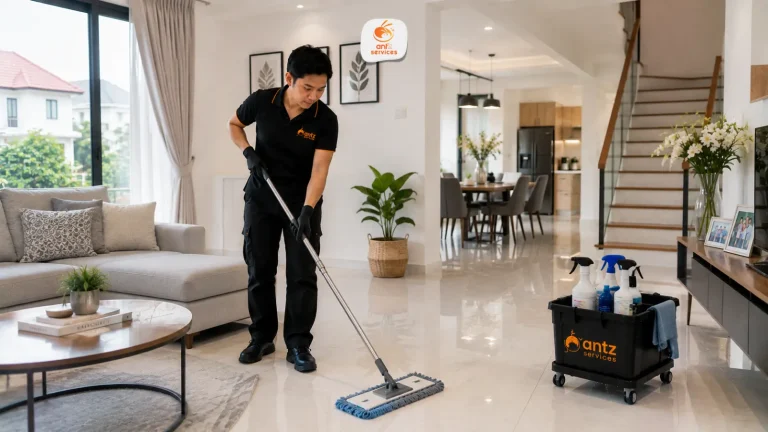
Our professionally trained teams utilize the exact right pH-balanced chemicals and techniques for every specific material in your home. From routine maintenance in Kuala Lumpur to comprehensive residential deep cleaning across the Klang Valley, we deliver a safe, effective, and stress-free clean.
Protect your home and your peace of mind. Contact Antz Cleaning Services today to book your specialized cleaning session!
Need Help With Home Cleaning?
Antz Services helps homeowners and tenants across KL & Selangor with reliable, professional home cleaning for regular upkeep, move-in, move-out, and deep cleaning needs.